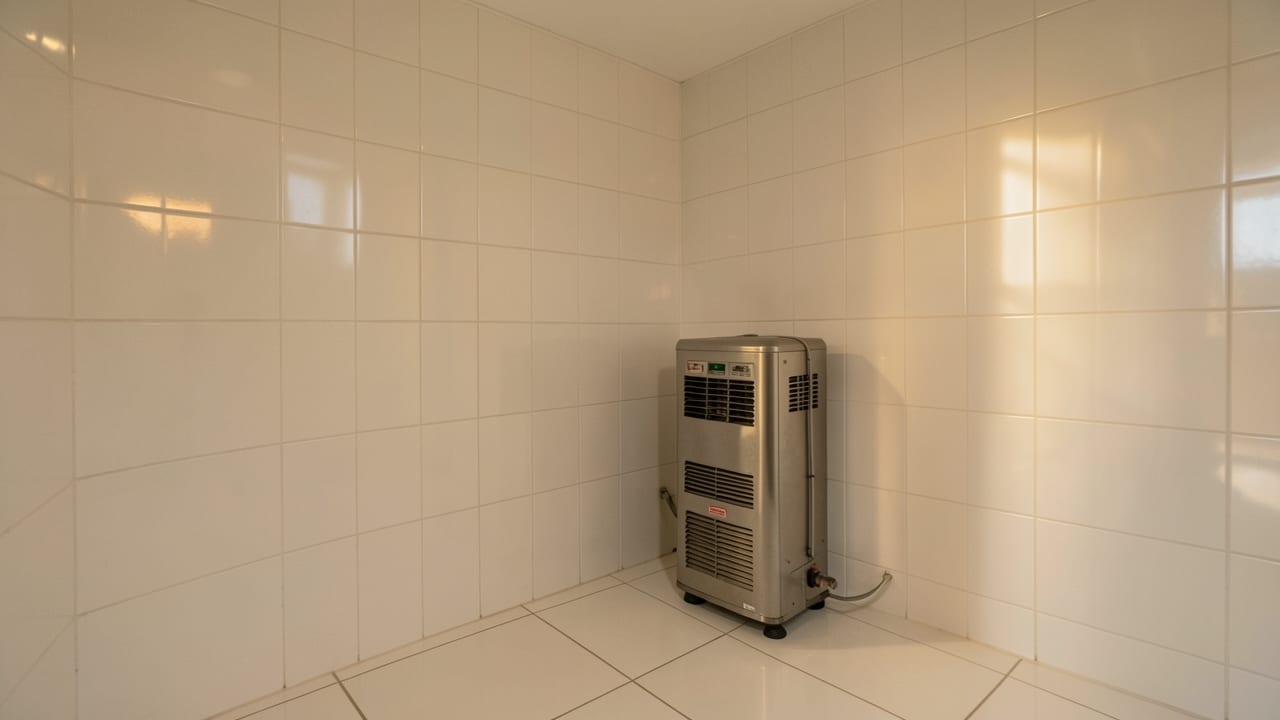
Hotel Mold Remediation
Professional removal and treatment of mold growth in hotel properties to restore safe, clean environments.
Mold in Mission Valley homes thrives in damp areas like bathrooms, basements, and kitchens, where moisture lingers after showers, leaks, or poor ventilation.
Professional remediation involves containment, safe removal of contaminated materials, and addressing moisture sources to prevent regrowth—critical steps that go beyond surface cleaning to protect indoor air quality and structural integrity.
We also handle Mold Prevention & Moisture Control and Mold & Asbestos Testing for Mission Valley properties.
When to act: signs mold has gone beyond DIY
Mold covering more than a small patch (typically over 25 square feet) or returning after cleaning often signals a deeper issue. Musty odors with no visible mold, or growth that reappears despite treatment, usually mean hidden moisture or porous materials that need removal rather than scrubbing.
These signs indicate the need for professional containment and remediation to avoid spreading spores.
Persistent dampness in enclosed spaces—like windowless bathrooms or closets—creates the ideal environment for mold to regrow. Without fixing the underlying moisture problem, even thorough remediation may not prevent recurrence. Checking humidity levels in affected areas after treatment helps monitor progress.
Red Flags for Professional Remediation
- Mold covers more than 25 contiguous square feet (California’s threshold for contractor-level work).
- Growth returns within weeks of cleaning, suggesting an unaddressed moisture source.
- Musty smells persist even after visible mold is removed, hinting at hidden contamination.
- Damp spots or condensation appear on walls, ceilings, or windowsills after treatment.
What affects cost and timeline?
Pricing for mold remediation in Mission Valley depends on the size of the affected area, the type of materials involved (porous vs. non-porous), and whether hidden moisture sources require repairs. Containment setup, HEPA filtration, and clearance testing add to the cost but are essential for thorough remediation.
Drying time for structural materials—like framing or subfloors—can extend the project if humidity levels remain high.
Some jobs require phased work to minimize disruption, especially in multi-room infestations. Independent lab testing for clearance confirmation is often priced separately and may be recommended for larger or recurring issues. Always confirm whether a quote includes inspection, testing, and post-remediation verification to avoid unexpected costs.
Common mistakes to avoid
Skipping containment risks spreading spores to unaffected areas, turning a small job into a larger one. Using non-HEPA vacuums or air scrubbers recirculates spores instead of capturing them, undermining the remediation effort. Fixing only the visible mold without addressing leaks, poor ventilation, or grading issues leaves materials vulnerable to regrowth.
Accepting a bid that excludes containment, clearance testing, or a written scope of work can lead to incomplete remediation. Always verify that the contractor follows California’s licensing requirements for jobs over $500 and that post-treatment testing confirms spore levels are back to normal.
Remediation without fixing the moisture source often means the mold returns within months. Containment breaches or improper filtration can spread spores to other rooms, requiring additional work. Always confirm whether a quote includes inspection, testing, and clearance verification.
How mold remediation works
Professional remediation follows a structured process to safely remove mold and prevent recurrence.
- 1Containment Setup
Plastic sheeting and negative-air machines seal off the work area to prevent spores from spreading during removal. This step is critical for keeping unaffected rooms free of contamination.
- 2Material Removal or Cleaning
Porous materials like drywall or carpet padding—where mold grows deep—are cut out and bagged, while non-porous surfaces like tile or framing are scrubbed and treated. HEPA-filtered tools ensure spores are captured, not released back into the air.
- 3Structural Drying
Industrial dehumidifiers and air movers reduce moisture in framing and subfloors to normal levels. Mold regrows on damp materials even after visible traces are removed, so drying is essential for long-term results.
- 4Clearance Testing
An independent lab tests air or surfaces after remediation to confirm spore counts are back to a safe range. This step verifies the work was effective and identifies any lingering issues.
Frequently asked questions
How do I know if my mold problem is too big for me to handle?
If mold covers more than 25 square feet, keeps coming back after cleaning, or you notice musty smells with no visible growth, it’s likely beyond DIY scope. Professional remediation ensures containment and addresses hidden moisture sources that DIY methods often miss.
Will remediation fix the musty smell even if I can’t see mold?
Musty odors often indicate hidden mold in walls, under flooring, or inside ductwork. Remediation targets these areas, but fixing the moisture source—like leaks or poor ventilation—is key to preventing the smell from returning.
Do I need to leave the house during the remediation process?
Containment keeps spores from spreading, so you may not need to vacate. However, some projects—like large-scale material removal—can be disruptive. Discuss the process with the contractor to plan accordingly.
How long does it take to dry walls and framing after mold removal?
Drying time depends on humidity levels and the size of the affected area. Industrial dehumidifiers typically reduce moisture to safe levels within days to a week, but complex cases may take longer.
See Alvarado Estates, CA for more, or browse our full Mission Valley-area coverage across the area for our complete lineup.
Ready to get started?
Talk to a local mold remediation pro in Mission Valley — get a written quote.
Other Mold Remediation Services in Mission Valley
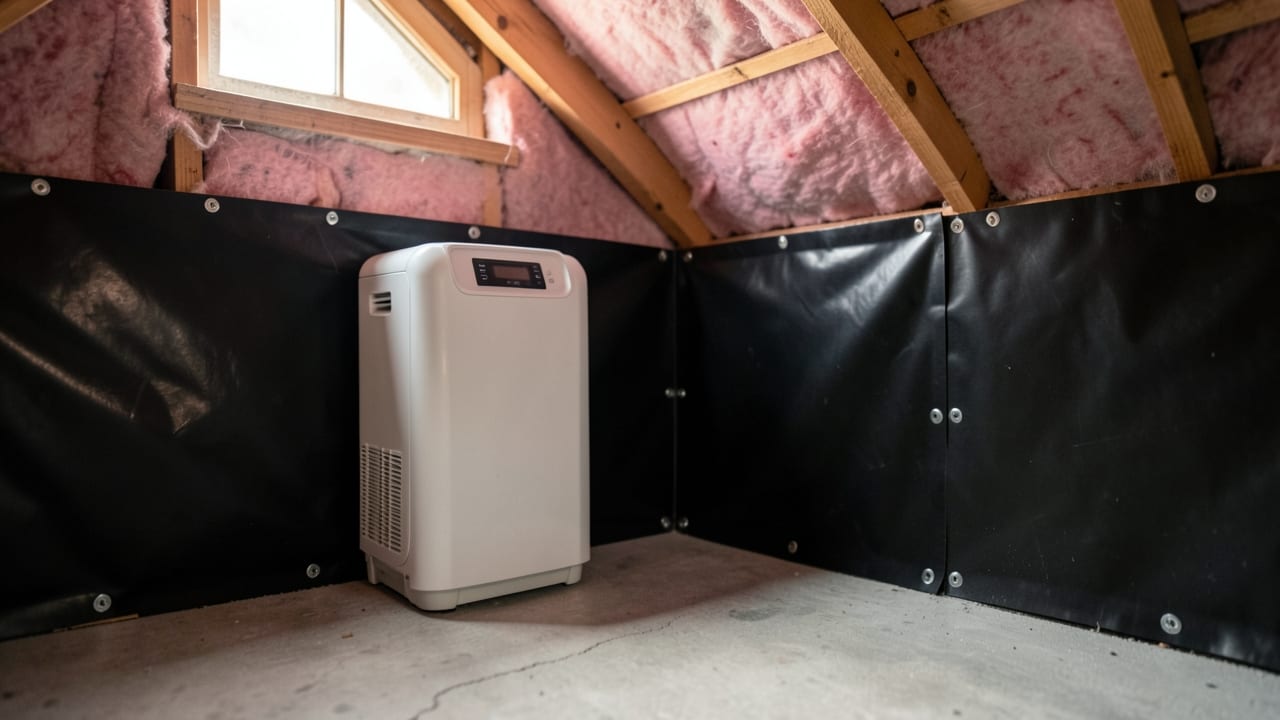
Mold Prevention & Moisture Control in Mission Valley, CA
Mold prevention and moisture control in Mission Valley, CA — addressing ventilation, humidity, and drainage before growth starts, not after.
Learn More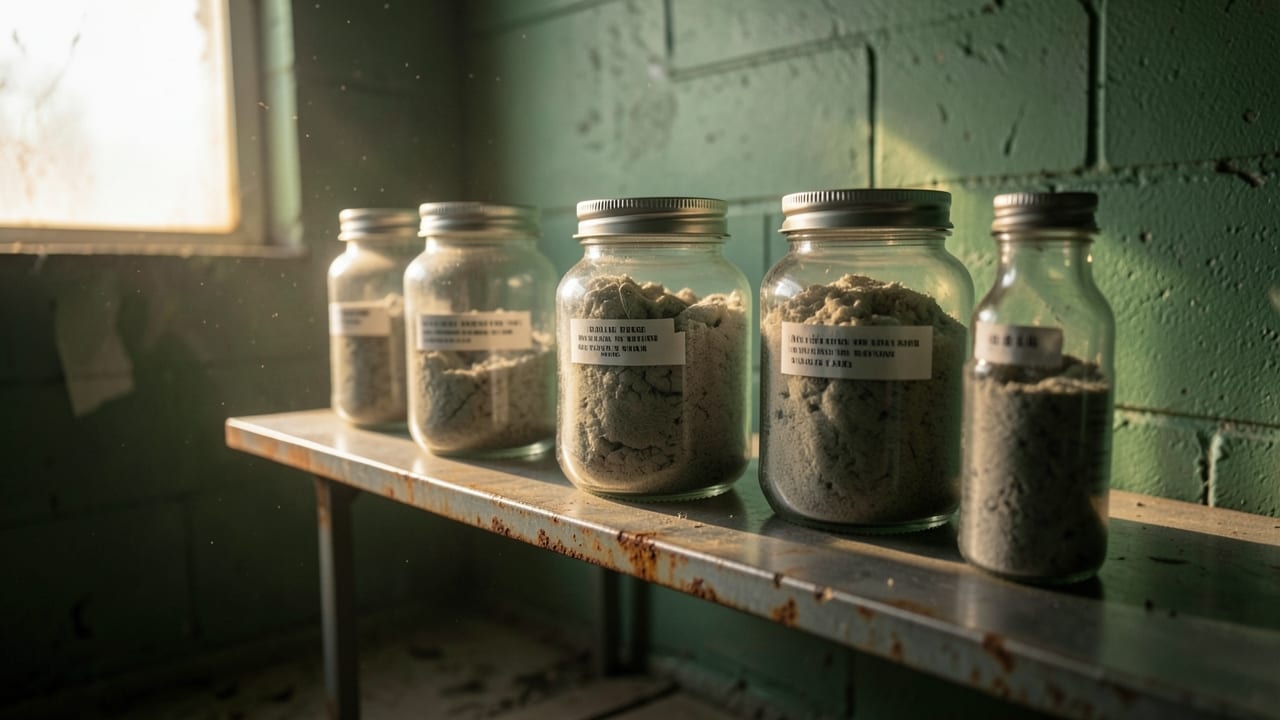
Mold & Asbestos Testing in Mission Valley, CA
Combined mold and asbestos testing in Mission Valley, CA — one inspection visit, lab-verified results for both.
Learn More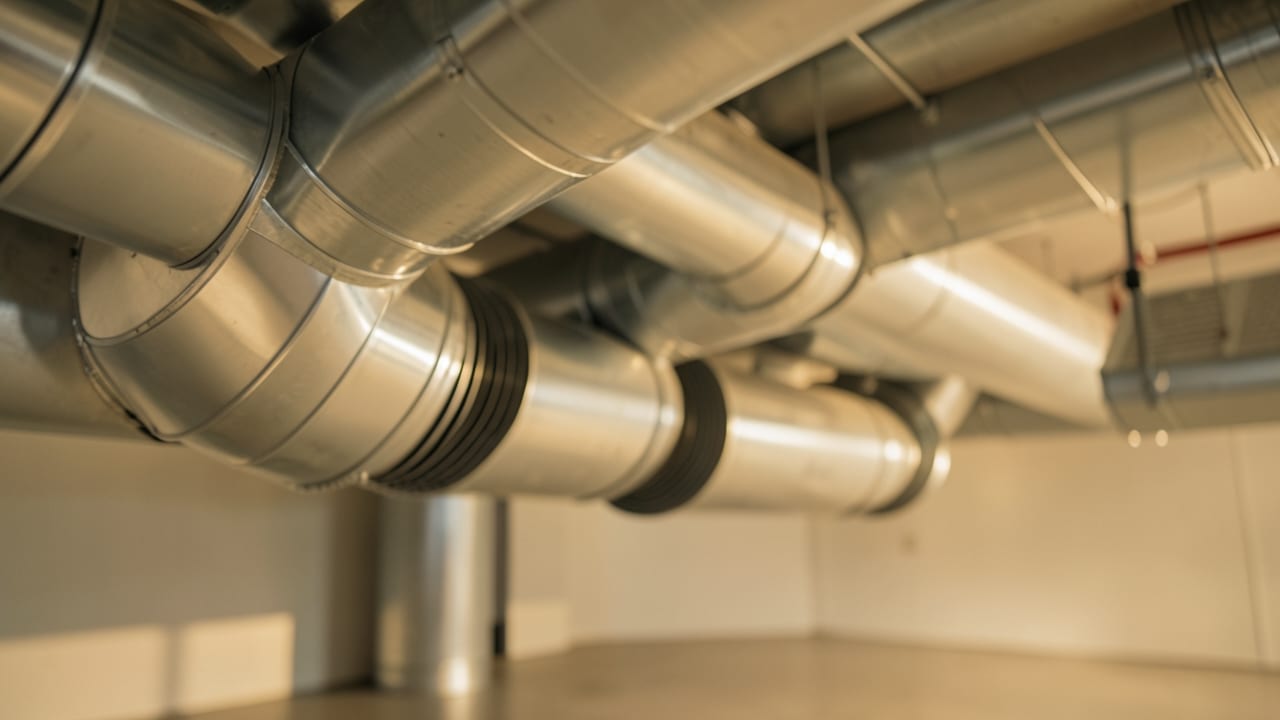
HVAC Mold Remediation in Mission Valley, CA
HVAC and ductwork mold remediation in Mission Valley, CA — mold growing inside the air handler or duct system, spreading through every vent.
Learn More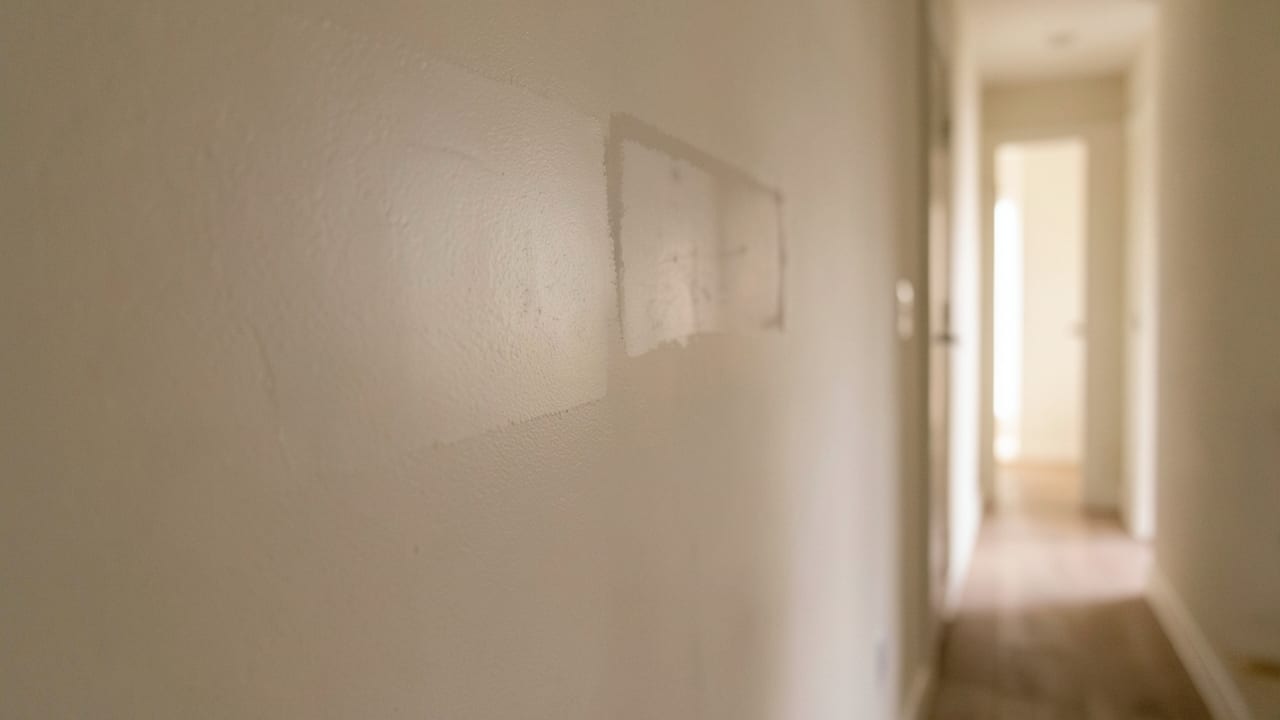
Drywall Mold Remediation in Mission Valley, CA
Professional removal and treatment of mold growth behind or on drywall surfaces.
Learn More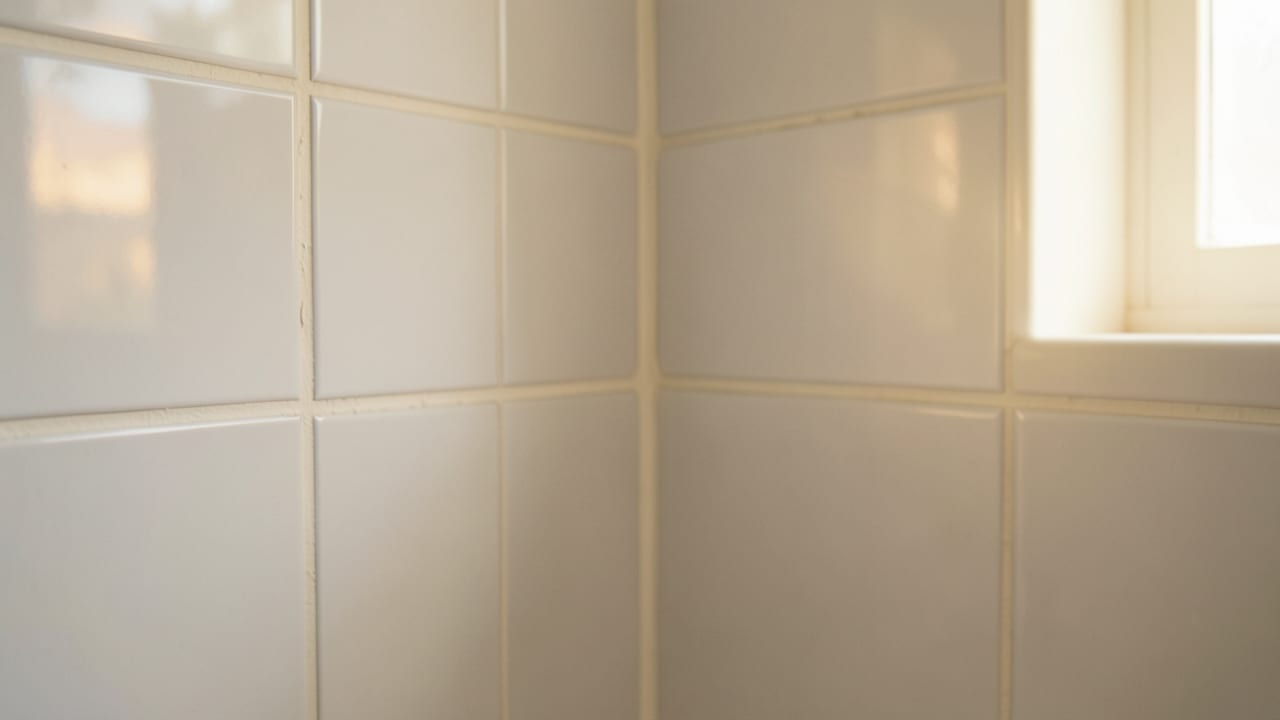
Bathroom Mold Removal in Mission Valley, CA
Professional assessment and removal of mold in bathrooms to restore a safe, clean environment.
Learn More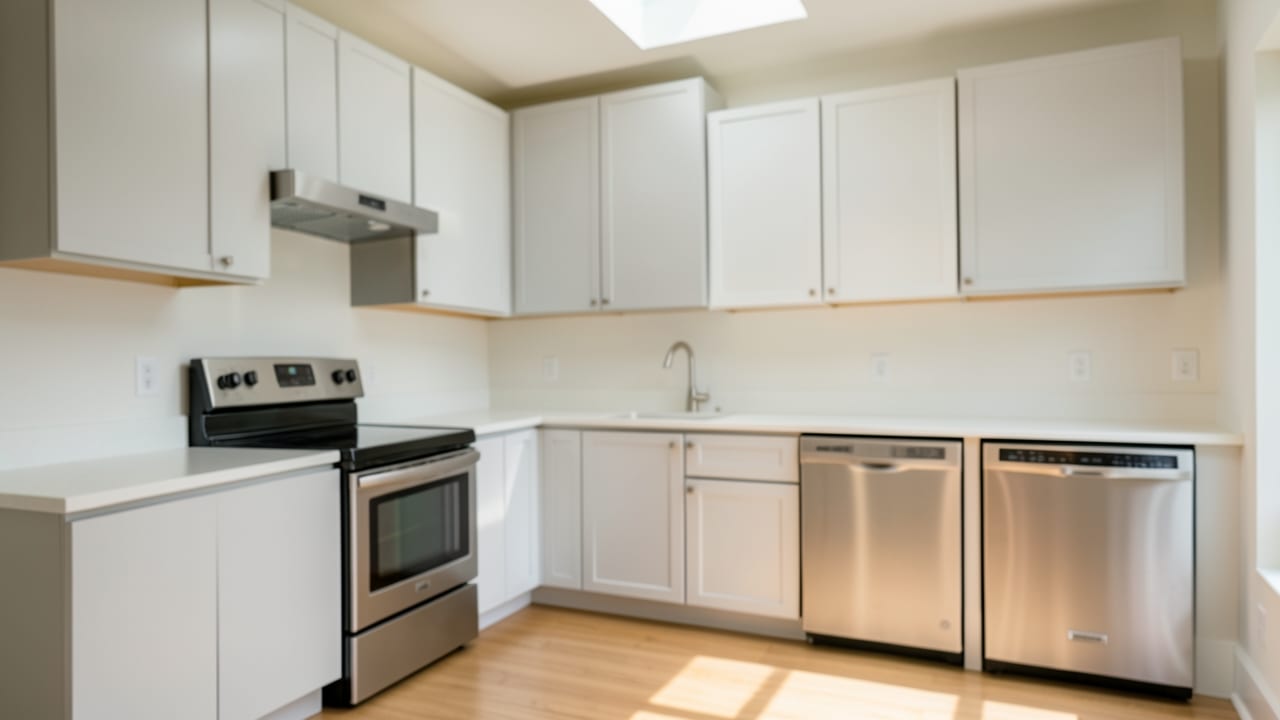
Kitchen Mold Cleanup in Mission Valley, CA
Professional assessment and removal of mold in kitchen areas to restore a safe, clean environment.
Learn MoreCommon Questions About Mold Remediation in Mission Valley
Everything you need to know about mold remediation services in Mission Valley
How much does Hotel Mold Remediation typically cost in Mission Valley, CA?
Does coastal humidity around Mission Valley, CA change how mold risk is assessed?
Is a final clearance test part of a typical mold remediation job?
How does mold remediation actually prevent the problem from coming back?
Can mold growing inside HVAC ductwork spread to the rest of a home?
Does mold mean the same thing as mildew?
Need Mold Remediation in Mission Valley?
Connect with local providers in Mission Valley for a detailed quote.
⏰ We answer your call • Serving all of Mission Valley and surrounding areas