The Silent Threat: How Hidden Mold Harms Health in Mission Valley
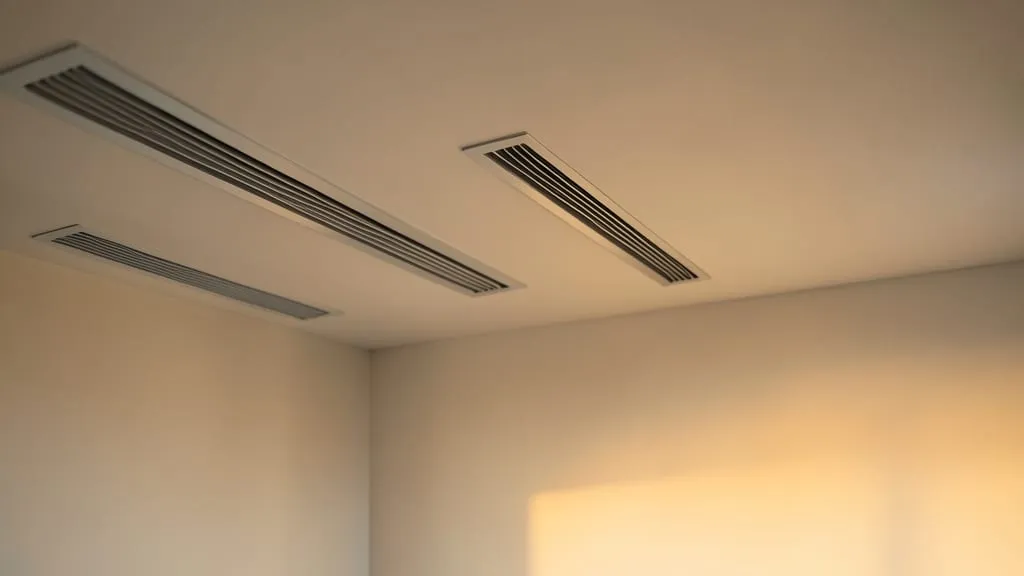
Mold thrives in the damp, mild climate of Mission Valley, often lurking unseen behind walls, under flooring, or in HVAC systems. Exposure to hidden mold can trigger respiratory issues, allergic reactions, and long-term health complications—yet many homeowners overlook the early warning signs. We’ve seen firsthand how undetected growth in areas like Old Town or Kearny Mesa escalates without proper intervention.
Why Mold Flourishes in Mission Valley Homes
San Diego’s coastal humidity, especially in low-lying areas like Mission Valley, creates ideal conditions for mold. Even minor water intrusion from leaks or poor ventilation can spark growth within 24–48 hours.
Older neighborhoods such as Normal Heights or Allied Gardens often have aging plumbing or insufficient vapor barriers, accelerating moisture buildup. Newer builds in Civita or Carmel Mountain Ranch aren’t immune—construction gaps or improper sealing can trap humidity.
Seasonal shifts, like the ‘May Gray’ and ‘June Gloom’ marine layers, prolong dampness indoors. Without proactive moisture control, mold colonizes drywall, insulation, and even HVAC ducts.
The Health Risks of Hidden Mold Exposure
Inhaling mold spores can cause immediate reactions: sneezing, itchy eyes, or skin rashes. For those with asthma or allergies, symptoms worsen quickly in contaminated spaces.
Long-term exposure, particularly to toxic black mold (Stachybotrys), may lead to chronic sinusitis, fatigue, or even neurological issues. Infants, the elderly, and immunocompromised individuals face higher risks.
Mycotoxins released by certain molds can suppress immune function over time. In Mission Valley’s dense residential pockets, shared walls in apartments or condos can spread spores between units unnoticed.
If respiratory issues or headaches improve when you leave home but return upon re-entry, hidden mold could be the culprit. Professional air quality testing is the only way to confirm.
Where Mold Hides in Local Homes
Crawl spaces in Hillcrest or Linda Vista often lack proper ventilation, trapping moisture against wood and insulation. Basements in areas like Del Cerro or Allied Gardens can develop mold on concrete walls if not sealed.
Attics are hotspots due to poor airflow and roof leaks—common in older homes near Old Town. HVAC systems in commercial buildings or large residences in Rancho Encantada can circulate spores throughout the property.
Bathrooms, kitchens, and laundry rooms are obvious candidates, but mold also thrives under carpet padding, behind baseboards, or inside wall cavities after plumbing leaks.
Signs You Might Have Hidden Mold
Musty odors are the most common red flag. If the smell persists after cleaning, mold is likely growing out of sight. Visible water stains on ceilings or walls, especially in Clairemont or College Area homes, often signal past or ongoing leaks.
Peeling paint, warped drywall, or discolored grout can indicate moisture damage. In severe cases, you might notice dark spots or fuzzy growth in corners, under sinks, or around window frames.
Unexplained health symptoms among household members—like persistent coughs or throat irritation—can also point to hidden contamination. Don’t dismiss these as seasonal allergies without investigation.
Hidden Mold Red Flags
- Persistent musty odors, especially in enclosed spaces
- Water stains or discoloration on walls/ceilings
- Peeling paint or wallpaper, warped surfaces
- Increased allergy or asthma symptoms indoors
- Condensation on windows or walls in humid weather
Mold vs. Mildew: What Mission Valley Homeowners Need to Know
Mildew is a surface-level fungus that appears as white or gray powdery patches, typically on shower tiles or window sills. It’s easier to clean and less harmful than mold.
Mold penetrates materials like drywall, wood, or insulation, often appearing black, green, or brown. It requires professional remediation to fully remove and prevent recurrence.
While mildew can be treated with household cleaners, mold—especially in porous materials—demands specialized equipment and containment protocols to avoid cross-contamination.
| Feature | Mildew | Mold |
|---|---|---|
| Appearance | Powdery, white/gray | Fuzzy or slimy, black/green/brown |
| Growth Depth | Surface-level | Penetrates materials |
| Health Risk | Mild irritation | Respiratory issues, mycotoxins |
| Removal | DIY cleaning (non-porous surfaces) | Professional remediation required |
| Common Locations | Bathrooms, kitchens | Walls, crawl spaces, attics, HVAC systems |
The Role of Professional Mold Inspection and Testing
Visual inspections alone can’t detect hidden mold. Our team uses thermal imaging to identify moisture hotspots behind walls or under flooring in Mission Valley homes.
Air quality testing measures spore counts and types, comparing indoor levels to outdoor baselines. Surface testing confirms contamination on materials like drywall or insulation.
In areas like Kearny Mesa or Linda Vista, where older properties may have asbestos-containing materials, combined mold and asbestos testing ensures safe remediation planning.
Schedule a professional inspection after water damage, before purchasing a home, or if occupants experience unexplained health symptoms. DIY test kits lack the precision of lab analysis.
Why DIY Mold Removal Often Fails
Bleach or vinegar may kill surface mold but won’t address spores embedded in porous materials. Without proper containment, cleaning can aerosolize spores, spreading contamination to other areas.
Improper drying after water damage—common in flood-prone zones near the San Diego River—leaves residual moisture, allowing mold to return. DIY efforts often miss hidden growth in wall cavities or subflooring.
In Mission Valley’s humid climate, even small remediation mistakes can lead to rapid regrowth. Professional remediation includes HEPA filtration, antimicrobial treatments, and moisture control to prevent recurrence.
How to Respond If You Suspect Hidden Mold
Taking the right steps early can prevent health risks and structural damage.
- 1Isolate the Area
Avoid disturbing suspected mold. Close doors or use plastic sheeting to limit spore spread to other parts of the home.
- 2Address Moisture Sources
Fix leaks, improve ventilation, or use dehumidifiers to reduce humidity below 60%. In crawl spaces, ensure vapor barriers are intact.
- 3Avoid DIY Cleaning
Do not use bleach or scrub moldy areas. This can release spores into the air and worsen contamination.
- 4Contact a Professional
Schedule a mold inspection and air quality test. For homes in Mission Valley, Hillcrest, or Old Town, local experts understand regional moisture patterns.
- 5Request a Remediation Plan
If mold is confirmed, ask for a detailed scope of work, including containment, removal, and prevention strategies. Always verify licensing and experience.
Frequently Asked Questions
Can hidden mold in my Mission Valley home cause long-term health problems?
Yes. Prolonged exposure to mold spores and mycotoxins can lead to chronic respiratory conditions, immune system suppression, and neurological issues. Children and those with pre-existing conditions are especially vulnerable. Professional remediation is the only way to fully mitigate risks.
How do I know if my symptoms are from mold or just allergies?
Mold-related symptoms often worsen indoors and improve when you leave the property. If multiple household members experience issues like coughing, headaches, or fatigue, it’s a strong indicator of indoor contamination. Air quality testing can provide clarity.
Is black mold more dangerous than other types?
Black mold (Stachybotrys) produces mycotoxins that can cause severe health effects, but all mold species pose risks. The color alone doesn’t determine toxicity—professional testing identifies the specific type and concentration.
Can mold grow in my HVAC system?
Absolutely. HVAC systems in Mission Valley homes can harbor mold in ducts, coils, or drip pans, especially if filters aren’t changed regularly or humidity isn’t controlled. This spreads spores throughout the entire property. HVAC mold remediation requires specialized cleaning and prevention measures.
What areas near Mission Valley are most prone to mold issues?
Neighborhoods with older housing stock like Normal Heights, Allied Gardens, or Linda Vista often face mold due to aging infrastructure. Areas near water sources, such as the San Diego River or coastal zones like Bird Rock, also see higher moisture levels. Even newer developments in Civita or Carmel Mountain Ranch can have issues if not properly sealed.
How quickly can mold return after remediation?
Mold can recur within weeks if the underlying moisture problem isn’t resolved. Effective remediation includes fixing leaks, improving ventilation, and installing moisture barriers. In Mission Valley’s climate, ongoing humidity control is critical to prevention.