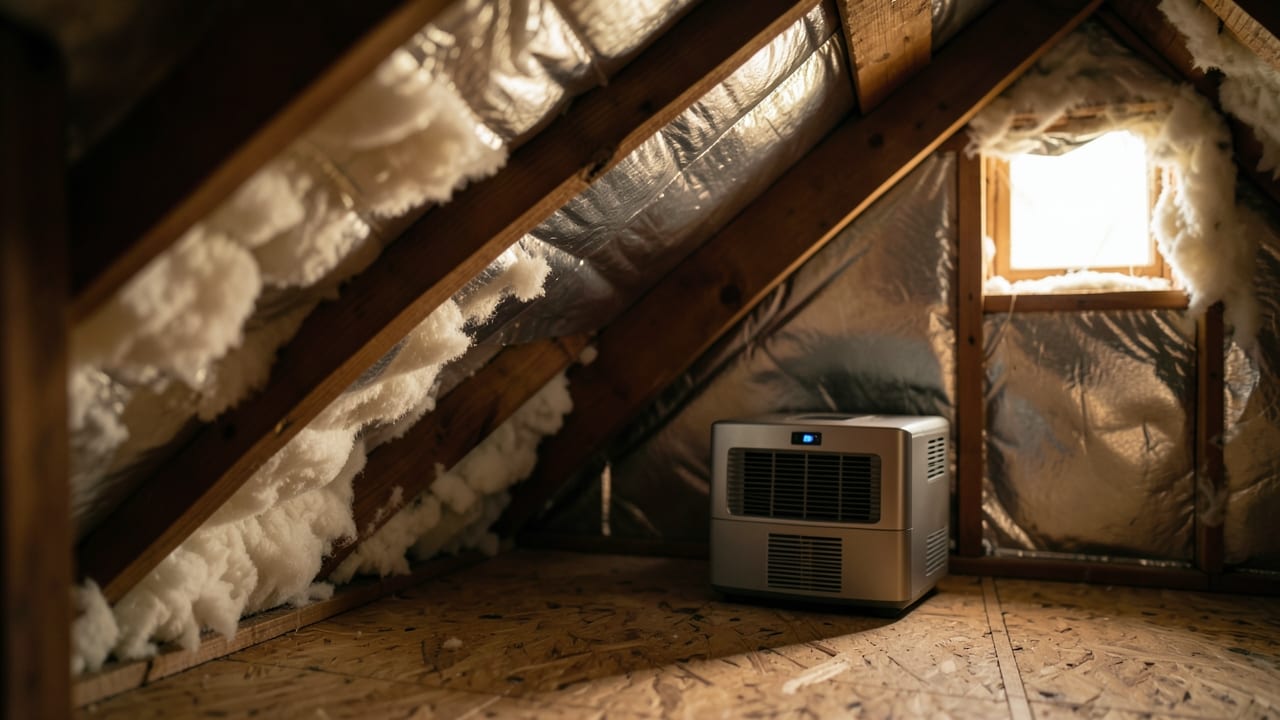
Pre-Winter Mold Prevention
Pre-winter mold prevention involves inspection and treatment to stop mold growth before cold weather.
Pre-winter mold prevention in Mission Valley, CA, focuses on sealing leaks, improving ventilation, and treating vulnerable surfaces before cooler temperatures increase indoor humidity. Targeting attics, basements, and crawl spaces, this service helps prevent mold growth by addressing moisture sources and applying preventive treatments before seasonal changes worsen conditions.
When to consider pre-winter mold prevention
Mission Valley’s humid climate and seasonal temperature shifts create ideal conditions for mold growth in hidden, damp areas. Pre-winter is a critical time to act, as dropping temperatures reduce ventilation efficiency and increase indoor moisture retention.
We also handle Sunroom Mold Remediation and Closet Mold Cleanup for Mission Valley properties.
Homeowners should consider this service if they notice recurring mold patches, musty odors, or persistent dampness in areas like basements, bathrooms, or attics.
Even small, isolated patches can signal a deeper issue. If mold keeps reappearing after cleaning, or if you’ve noticed condensation on windows or walls, it’s a sign that moisture levels are not being properly managed. Addressing these issues before winter helps prevent extensive damage and health concerns.
Signs You May Need Pre-Winter Mold Prevention
- Mold covering more than a small, isolated patch (typically over 25 square feet).
- Musty odors with no visible mold, especially when HVAC runs or in enclosed spaces.
- Recurring mold growth in the same spot after cleaning.
- Persistent dampness, condensation, or water stains in basements, bathrooms, or crawl spaces.
- Poor ventilation in rooms like closets or windowless bathrooms.
What affects pricing and timing?
The cost of pre-winter mold prevention in Mission Valley varies based on the size of the affected area, the severity of the mold, and the materials involved. For example, removing porous materials like drywall or insulation typically costs more than treating non-porous surfaces.
Additional factors include the need for containment, structural drying, and clearance testing, which are often priced separately.
Timing can also be influenced by the extent of moisture damage and the drying process. Industrial dehumidifiers and air movers are used to bring humidity levels down to safe ranges, which may take several days depending on the conditions.
Clearance testing, conducted by an independent lab, ensures the work is complete before the area is sealed.
Common mistakes to avoid
Skipping containment during remediation can spread spores to unaffected areas, turning a small job into a larger one. Without proper plastic sheeting and negative-air machines, disturbed spores can migrate through hallways and HVAC systems, contaminating other parts of the home.
Using standard shop vacuums or non-HEPA air scrubbers also recirculates spores instead of capturing them, undermining the effectiveness of the work.
Another critical mistake is addressing only the visible mold without fixing the underlying moisture source. Leaks, poor ventilation, or grading issues that direct water toward the foundation often go unnoticed but continue to feed mold growth. Without resolving these root causes, the mold is likely to return within months.
Avoid estimates that exclude inspection, containment, or clearance testing. Vague descriptions of treated areas or pressure to sign contracts during the same visit as the inspection can lead to unexpected costs or incomplete work.
How pre-winter mold prevention works
This service follows a structured process to remove existing mold and prevent future growth.
- 1Containment Setup
Plastic sheeting and negative-air machines seal off the work area to prevent spores from spreading to other parts of the home during remediation.
- 2Mold Removal
Porous materials like drywall or insulation that absorb mold are cut out and bagged, while non-porous surfaces are scrubbed and treated to eliminate growth.
- 3Structural Drying
Industrial dehumidifiers and air movers reduce moisture levels in framing and subfloors to prevent mold regrowth after removal.
- 4HEPA Filtration
HEPA-filtered air scrubbers and vacuums capture spores during the process, ensuring they are not recirculated into the air.
- 5Clearance Testing
An independent lab tests air or surfaces post-remediation to confirm spore levels are back to normal before the area is released.
Frequently asked questions
Can I handle small mold patches myself, or should I hire a professional?
Small, isolated patches (under 25 square feet) can sometimes be cleaned with proper safety gear, but recurring growth or hidden mold often requires professional remediation. Professionals also ensure containment and clearance testing, which DIY methods typically lack.
What should I do if I smell mold but can’t find any visible signs?
Musty odors with no visible mold often indicate hidden growth, such as inside walls, under flooring, or in ductwork. A professional inspection can locate moisture sources and assess whether remediation is needed.
How long does the drying process take after mold removal?
Drying time depends on humidity levels and the size of the affected area. Industrial dehumidifiers and air movers typically run for several days to ensure moisture levels return to normal before the space is sealed.
Will fixing the mold also address the musty smell in my home?
Removing mold and fixing moisture sources often reduces or eliminates musty odors, but lingering smells may require additional air purification or HVAC cleaning to fully resolve.
See Chollas View, CA for more, or take a look at everything Mission Valley homeowners can book with us before booking for our complete lineup.
Ready to get started?
Talk to a local mold remediation pro in Mission Valley — get a written quote.
Other Mold Remediation Services in Mission Valley

Sunroom Mold Remediation in Mission Valley, CA
Professional removal and treatment of mold in sunrooms to restore a safe, clean space.
Learn More
Closet Mold Cleanup in Mission Valley, CA
Professional cleanup and removal of mold from closets to restore safe, healthy spaces.
Learn More
Pantry Mold Treatment in Mission Valley, CA
Professional assessment and removal of mold in pantry areas to restore a safe, clean space.
Learn More
Hallway Mold Remediation in Mission Valley, CA
Professional removal and treatment of mold growth in residential hallways.
Learn More
Retail Store Mold Remediation in Mission Valley, CA
Professional mold removal and remediation for retail stores to restore safe, clean environments.
Learn More
Clinic Mold Remediation in Mission Valley, CA
Professional mold removal and remediation to restore safe, healthy indoor spaces.
Learn MoreCommon Questions About Mold Remediation in Mission Valley
Everything you need to know about mold remediation services in Mission Valley
How much does Pre-Winter Mold Prevention typically cost in Mission Valley, CA?
Does coastal humidity around Mission Valley, CA change how mold risk is assessed?
Is a final clearance test part of a typical mold remediation job?
How does mold remediation actually prevent the problem from coming back?
Can mold growing inside HVAC ductwork spread to the rest of a home?
Does mold mean the same thing as mildew?
Need Mold Remediation in Mission Valley?
Connect with local providers in Mission Valley for a detailed quote.
⏰ We answer your call • Serving all of Mission Valley and surrounding areas