
Sunroom Mold Remediation
Professional removal and treatment of mold in sunrooms to restore a safe, clean space.
Sunroom mold remediation in Mission Valley, CA, addresses mold growth caused by moisture in enclosed spaces like sunrooms, where poor ventilation and humidity create ideal conditions for spores.
The process involves containment, removal of affected materials, HEPA filtration, structural drying, and clearance testing to ensure the area is safe for use again. Proper remediation prevents regrowth and protects indoor air quality.
We also handle Hotel Mold Remediation and Salt Air Mold Remediation for Mission Valley properties.
When sunroom mold needs professional remediation
Mold in a sunroom often starts small but can quickly spread if moisture issues persist. Homeowners should consider professional remediation when mold covers more than a small, isolated patch—typically over 25 square feet—or if it keeps returning after cleaning.
A musty smell with no visible mold or growth that worsens when the HVAC runs may indicate hidden mold behind walls or in ductwork.
Other warning signs include visible mold on porous materials like drywall or carpet padding, or dampness that lingers despite attempts to dry the space. If moisture sources like leaks, condensation, or poor grading aren’t addressed, mold will likely return even after removal.
Signs Professional Remediation Is Needed
- Mold covers more than 25 square feet of a single surface
- Mold returns within weeks after cleaning or scrubbing
- Musty odor persists with no visible mold in the room
- Dampness or water stains remain despite drying efforts
- Mold is embedded in porous materials (drywall, insulation, carpet padding)
What affects cost and timeline for sunroom mold remediation
The cost of sunroom mold remediation in Mission Valley varies based on the size of the affected area, the type of mold, and the materials involved. Black mold typically requires more extensive treatment than other types, which can increase costs.
Labor and material costs for a single room generally range from $600 to $2,400, depending on the scope of the job.
Timing depends on drying requirements, as industrial dehumidifiers and air movers must run until moisture levels return to normal. Containment, removal, and clearance testing add to the overall duration. Hidden mold or structural damage may extend the project beyond initial estimates.
Common mistakes that worsen sunroom mold problems
Skipping containment during removal can spread spores to unaffected areas of the home, turning a small job into a larger one. Using non-HEPA vacuums or air scrubbers recirculates spores instead of capturing them, leaving the air contaminated.
Removing mold without fixing the moisture source—like a leak or poor ventilation—leads to regrowth within months.
DIY attempts with bleach or vinegar often kill surface mold but fail to penetrate porous materials, allowing spores to persist. Without clearance testing, there’s no way to confirm whether the space is truly safe afterward.
Containment breaches, improper filtration, and untreated moisture sources are the most common reasons mold problems return or spread.
How sunroom mold remediation works
- 1Containment Setup
Plastic sheeting and negative-air machines seal off the sunroom to prevent spores from spreading during removal. All doors and vents are blocked, and air is pulled out of the contained area to keep spores inside.
- 2Material Removal or Treatment
Porous materials like drywall, insulation, and carpet padding—where mold has grown into the material—are cut out and bagged inside containment. Non-porous surfaces like tile or framing are scrubbed and treated with antimicrobial solutions.
- 3HEPA Filtration and Cleanup
HEPA air scrubbers run continuously to capture airborne spores, and surfaces are vacuumed with HEPA-equipped tools. This ensures spores aren’t recirculated into the home.
- 4Structural Drying
Industrial dehumidifiers and air movers dry framing and subfloors until moisture levels return to normal. This step prevents mold from regrowing on damp materials.
- 5Clearance Testing
An independent lab tests air or surfaces for remaining spores. Results confirm whether the space is safe before containment is removed.
Frequently asked questions
How do I know if my sunroom mold is black mold?
Black mold often appears dark greenish-black or sooty and may have a slightly sunken, fuzzy texture. However, visual identification isn’t definitive—lab testing is the only way to confirm the mold type. If you suspect black mold, professional remediation is recommended due to its potential health risks.
Will my sunroom furniture need to be thrown out after mold remediation?
Non-porous furniture like metal, glass, or sealed wood can often be cleaned and disinfected. Porous items like upholstered chairs or fabric curtains may need to be discarded if mold has penetrated deeply. A professional can assess what can be saved.
How long does it take to dry a sunroom after mold removal?
Drying time depends on humidity levels, room size, and the efficiency of dehumidifiers. In Mission Valley’s climate, this typically takes 24–72 hours, but larger or more humid spaces may require longer drying periods.
Can I stay in my home during sunroom mold remediation?
Yes, but you should avoid the contained work area. Proper containment and HEPA filtration minimize spore spread to other parts of the home. However, sensitive individuals may want to relocate temporarily, as disturbed spores can linger in the air.
See Rancho Encantada, CA for more, or find out about how our Mission Valley crew can help for our complete lineup.
Ready to get started?
Talk to a local mold remediation pro in Mission Valley — get a written quote.
Other Mold Remediation Services in Mission Valley
Hotel Mold Remediation in Mission Valley, CA
Professional removal and treatment of mold growth in hotel properties to restore safe, clean environments.
Learn More
Salt Air Mold Remediation in Mission Valley, CA
Professional mold assessment, containment, removal, and prevention in affected areas of the home.
Learn More
Pest Infestation Mold Remediation in Mission Valley, CA
Professional mold removal and remediation for pest-related infestations in homes.
Learn More
Storm Damage Mold Cleanup in Mission Valley, CA
Professional cleanup and remediation of mold caused by storm-related water damage in homes.
Learn More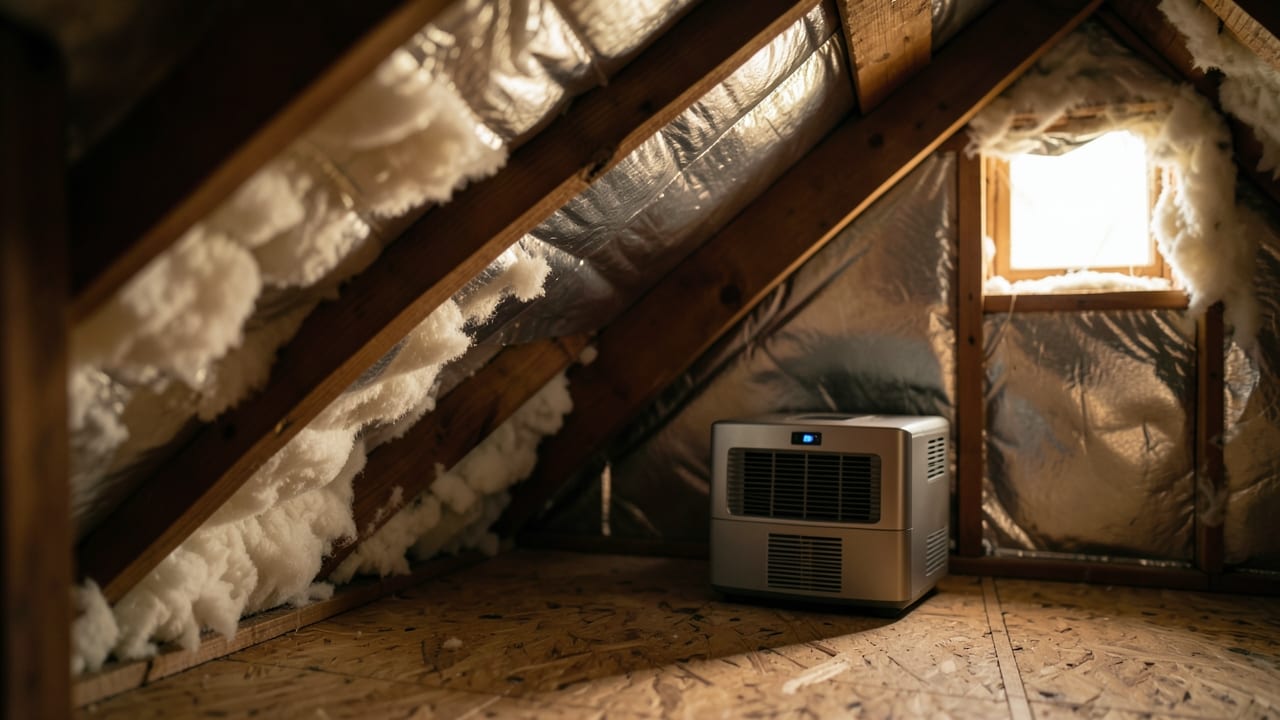
Pre-Winter Mold Prevention in Mission Valley, CA
Pre-winter mold prevention involves inspection and treatment to stop mold growth before cold weather.
Learn More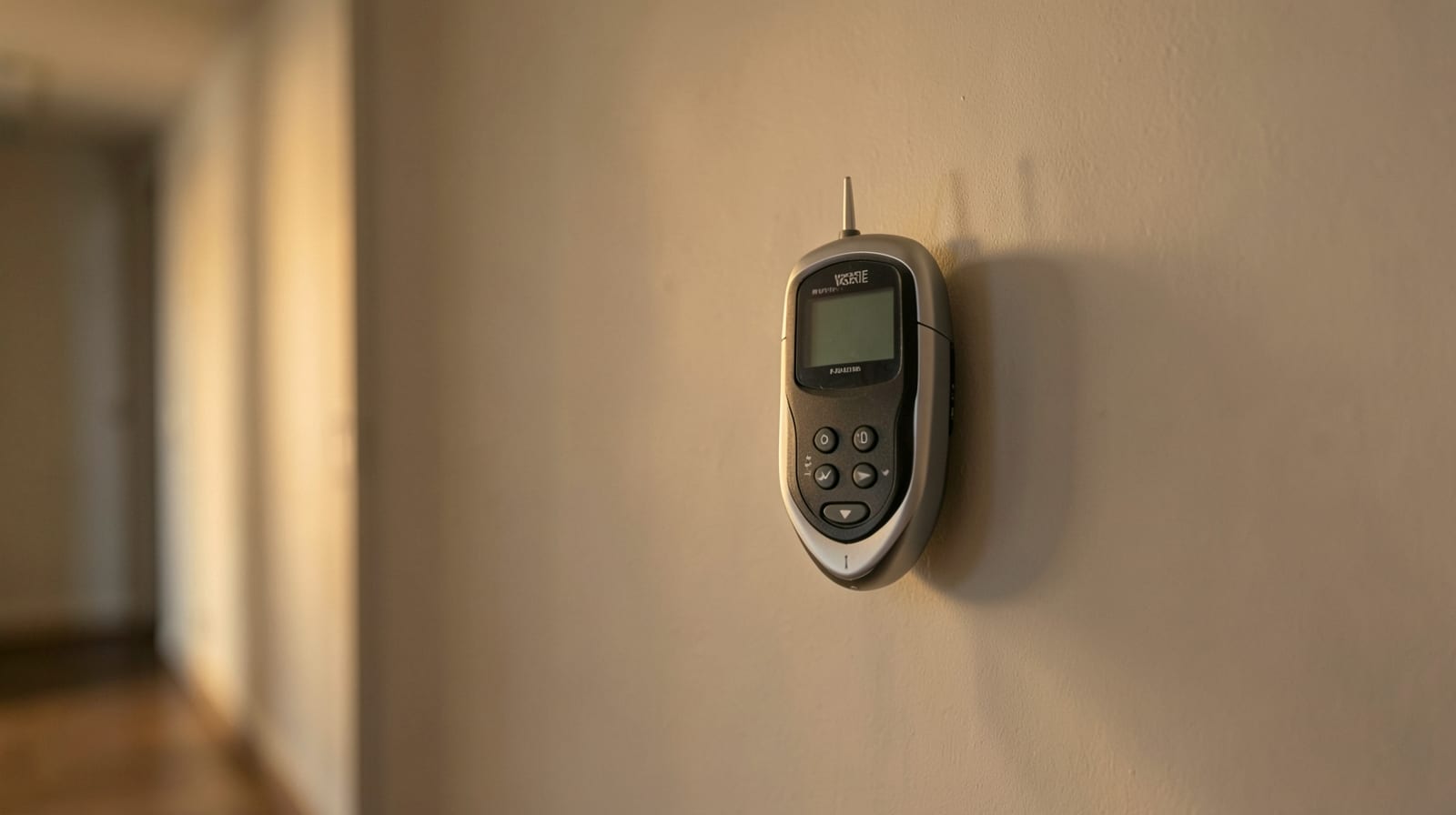
Mold Inspection in Mission Valley, CA
Mold inspection in Mission Valley, CA — a visual and moisture-meter assessment that finds the source of growth, not just the visible spot on the wall.
Learn MoreCommon Questions About Mold Remediation in Mission Valley
Everything you need to know about mold remediation services in Mission Valley
How much does Sunroom Mold Remediation typically cost in Mission Valley, CA?
Does coastal humidity around Mission Valley, CA change how mold risk is assessed?
Is black mold actually more dangerous than other mold types?
How long does a typical mold remediation job take?
Is it safe to stay in the home during mold remediation?
Can small mold problems be handled without hiring anyone?
Need Mold Remediation in Mission Valley?
Connect with local providers in Mission Valley for a detailed quote.
⏰ We answer your call • Serving all of Mission Valley and surrounding areas