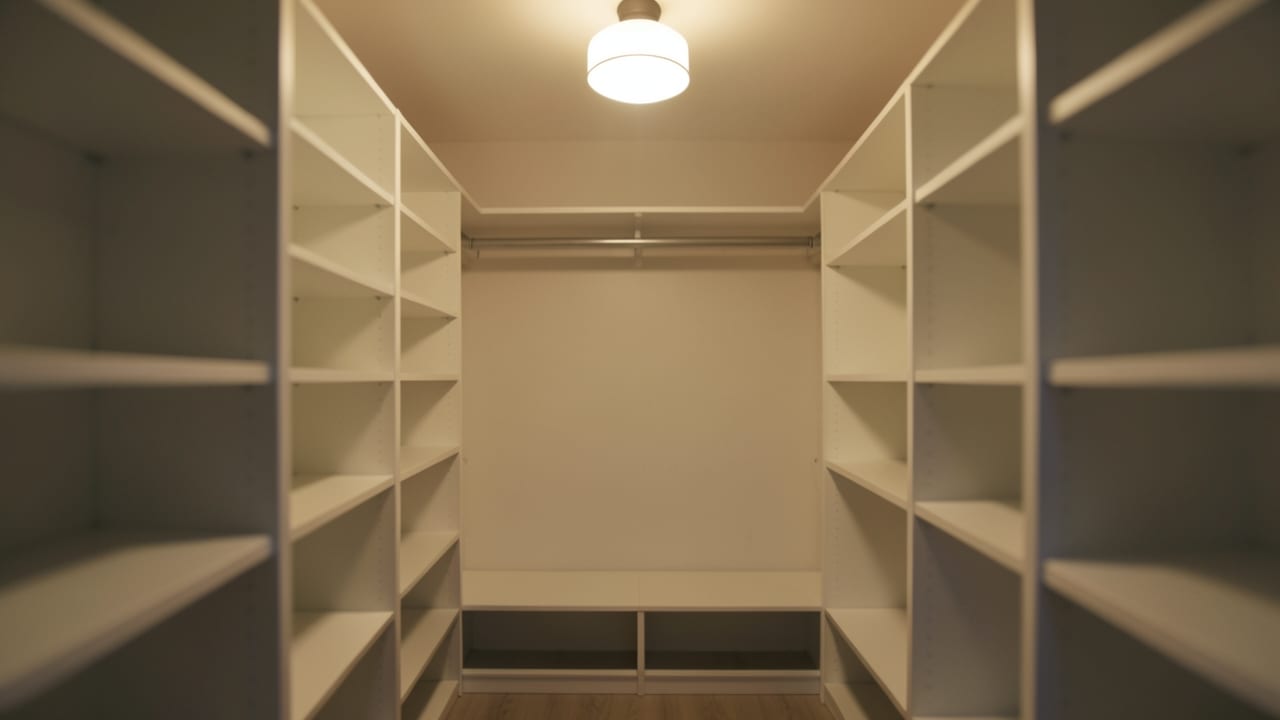
Closet Mold Cleanup
Professional cleanup and removal of mold from closets to restore safe, healthy spaces.
Mission Valley’s closets can trap moisture and develop mold over time, especially in areas like Hillcrest or Linda Vista where humidity fluctuates. Closet mold cleanup involves removing contaminated materials, sealing the area to prevent spore spread, and addressing moisture sources to reduce regrowth.
Proper remediation follows strict containment and drying protocols to ensure a safer indoor environment for your home.
We also handle Glass Window Mold Removal and Sunroom Mold Remediation for Mission Valley properties.
When closet mold cleanup is needed
Mold in closets often starts small but can spread quickly if ignored. Visible signs include discoloration on walls, shelves, or stored items, a persistent musty odor, or recurring growth after cleaning. If mold covers more than a small patch or keeps returning, it’s time for professional remediation.
Hidden mold—behind walls or under flooring—may also be present if the smell worsens when the HVAC runs.
Closets in Mission Valley neighborhoods like Allied Gardens or Alta Vista, where humidity or poor airflow are common, are particularly prone to mold.
A musty smell with no visible mold often indicates hidden growth, while recurring mold suggests an unresolved moisture issue, such as leaks, condensation, or grading problems near the foundation.
Signs Professional Cleanup Is Needed
- Mold covers more than a small, isolated patch (typically over 25 contiguous square feet).
- Growth returns within weeks after cleaning, indicating an unresolved moisture source.
- A musty odor persists even when no visible mold is present—may signal hidden growth.
- The smell intensifies when the HVAC system turns on, suggesting mold in ductwork.
What affects pricing and timing
Pricing for closet mold cleanup in Mission Valley depends on the size of the affected area, the type of mold, and the materials involved. Surface-level mold on drywall or tile typically costs less than deep-seated growth requiring material removal.
Black mold may increase costs by 15–25% due to additional safety precautions. Drying time, which can take days, depends on humidity levels and the size of the space.
Containment, HEPA filtration, and clearance testing are standard steps that influence the total cost. A written scope of work helps avoid unexpected charges, while vague estimates can lead to disputes later. Always confirm whether the quote includes inspection, testing, and post-remediation verification.
What to ask before hiring
Not all mold remediation quotes cover the same steps. Ask whether containment, HEPA filtration, and clearance testing are included—or priced separately. A low estimate that excludes these may leave the job incomplete. Also confirm whether the contractor is licensed under California’s CSLB requirements for jobs over $500.
Hidden mold discovered during removal can change the scope of work. A detailed written agreement upfront helps avoid unexpected costs. Post-remediation testing ensures the space is clear, but it’s not always included in every quote.
Avoid estimates that lack itemized details, require full payment upfront, or pressure you to sign during the inspection. Legitimate scopes of work take time to prepare and should align with California’s licensing rules for mold remediation.
How closet mold cleanup works
Professional remediation follows strict steps to safely remove mold and prevent recurrence.
- 1Containment Setup
Plastic sheeting and negative-air machines seal the closet to trap spores during removal, preventing them from spreading to other areas of the home.
- 2Material Removal or Cleaning
Porous materials like drywall or insulation are cut out and disposed of, while non-porous surfaces like tile or metal are scrubbed with antifungal solutions.
- 3HEPA Filtration and Drying
HEPA air scrubbers run continuously to capture airborne spores, and industrial dehumidifiers dry the structure to prevent regrowth.
- 4Clearance Testing
An independent lab tests air or surfaces post-remediation to confirm spore levels are back to normal before containment is removed.
- 5Moisture Source Fix
Addressing leaks, poor airflow, or grading issues reduces the risk of future mold, though this step may require additional work beyond the cleanup.
Frequently asked questions
Can I clean small closet mold myself, or should I hire a professional?
Small patches under 25 square feet can often be cleaned with vinegar or bleach, but professional remediation is recommended if mold is widespread, hidden, or keeps returning. Professionals use containment and HEPA filtration to prevent spore spread, which DIY methods may not achieve.
Why does my closet smell musty even after cleaning the visible mold?
A lingering odor often means mold is hidden—inside walls, under flooring, or in ductwork. Professional inspection with moisture meters or air testing can pinpoint the source before remediation begins.
How long does it take to dry a closet after mold removal?
Drying time varies with humidity and closet size but typically takes 2–5 days. Industrial dehumidifiers and air movers are used to ensure moisture levels return to normal before the space is sealed back up.
Will my insurance cover closet mold cleanup?
Coverage depends on your policy and whether the mold stems from a covered event, like a leak. Check with your insurer first, as some policies exclude pre-existing mold or require specific documentation.
See Clairemont, CA for more, or explore the full mold remediation lineup we run in Mission Valley in one place for our complete lineup.
Ready to get started?
Talk to a local mold remediation pro in Mission Valley — get a written quote.
Other Mold Remediation Services in Mission Valley

Glass Window Mold Removal in Mission Valley, CA
Professional removal of mold from glass windows and frames to restore clarity and prevent spread.
Learn More
Sunroom Mold Remediation in Mission Valley, CA
Professional removal and treatment of mold in sunrooms to restore a safe, clean space.
Learn More
Pantry Mold Treatment in Mission Valley, CA
Professional assessment and removal of mold in pantry areas to restore a safe, clean space.
Learn More
Hallway Mold Remediation in Mission Valley, CA
Professional removal and treatment of mold growth in residential hallways.
Learn More
Retail Store Mold Remediation in Mission Valley, CA
Professional mold removal and remediation for retail stores to restore safe, clean environments.
Learn More
Clinic Mold Remediation in Mission Valley, CA
Professional mold removal and remediation to restore safe, healthy indoor spaces.
Learn MoreCommon Questions About Mold Remediation in Mission Valley
Everything you need to know about mold remediation services in Mission Valley
How much does Closet Mold Cleanup typically cost in Mission Valley, CA?
Does coastal humidity around Mission Valley, CA change how mold risk is assessed?
Is it safe to stay in the home during mold remediation?
Can small mold problems be handled without hiring anyone?
What's the actual difference between mold removal and mold remediation?
Is a final clearance test part of a typical mold remediation job?
Need Mold Remediation in Mission Valley?
Connect with local providers in Mission Valley for a detailed quote.
⏰ We answer your call • Serving all of Mission Valley and surrounding areas