The Hidden Costs of DIY Mold Remediation in Mission Valley Homes
DIY mold removal might seem like a quick fix, but in Mission Valley’s humid climate, hidden costs often outweigh the savings. Without proper containment, testing, or moisture control, you risk spreading spores, missing root causes, and creating bigger problems down the line.
Why DIY Mold Removal Often Backfires
Mold isn’t just surface-level. Without professional-grade tools like moisture meters or borescopes, you can miss hidden colonies behind drywall, under flooring, or in HVAC systems. In coastal areas like Mission Valley, moisture lingers in ways that aren’t always visible.
Disturbing mold without containment releases spores into the air, worsening indoor air quality. HEPA vacuums and air scrubbers are essential to prevent cross-contamination—equipment most homeowners don’t own.
Exposure to mycotoxins from black mold (Stachybotrys) or other toxic species can cause respiratory issues, skin irritation, and long-term health problems. Always use PPE, including N95 respirators and gloves.
The True Cost of Skipping Professional Testing
Mold testing isn’t just about identification—it’s about understanding the extent and type of infestation. DIY test kits often lack the sensitivity to detect low levels of spores or identify species like Aspergillus or Penicillium.
In Mission Valley, where older homes in neighborhoods like Old Town or Linda Vista may have hidden asbestos, disturbing materials without testing can release hazardous fibers. Always pair mold testing with asbestos testing when dealing with pre-1980s structures.
Containment: The Step Most DIYers Skip
Proper containment uses plastic sheeting and negative air pressure to isolate the work area. Without it, spores spread to clean areas, leading to recurring mold in places like attics, crawl spaces, or even neighboring rooms.
In multi-story homes common in areas like Hillcrest or Normal Heights, spores can travel through HVAC systems, contaminating the entire house. Professionals use containment barriers and air scrubbers to prevent this.
| Factor | DIY Approach | Professional Approach |
|---|---|---|
| Containment | Rarely done; uses household plastic | Plastic sheeting + negative air pressure |
| Spores Control | No HEPA filtration; risk of spread | HEPA vacuums + air scrubbers |
| Moisture Detection | Visual inspection only | Moisture meters, thermal imaging |
| Post-Remediation Verification | None; assumes problem is solved | Air quality testing + clearance inspection |
| Safety Gear | Basic masks or gloves | Full PPE (respirators, suits, eye protection) |
Moisture: The Root Cause You Can’t Ignore
Mold always returns if the moisture source isn’t fixed. In Mission Valley, common culprits include leaky pipes, poor ventilation in bathrooms, or condensation in crawl spaces. Without addressing these, remediation is just a temporary fix.
Professionals use hygrometers and thermal imaging to pinpoint moisture sources. In areas like Kearny Mesa or Clairemont, where basements or slab foundations are common, capillary action can draw moisture upward, requiring specialized solutions.
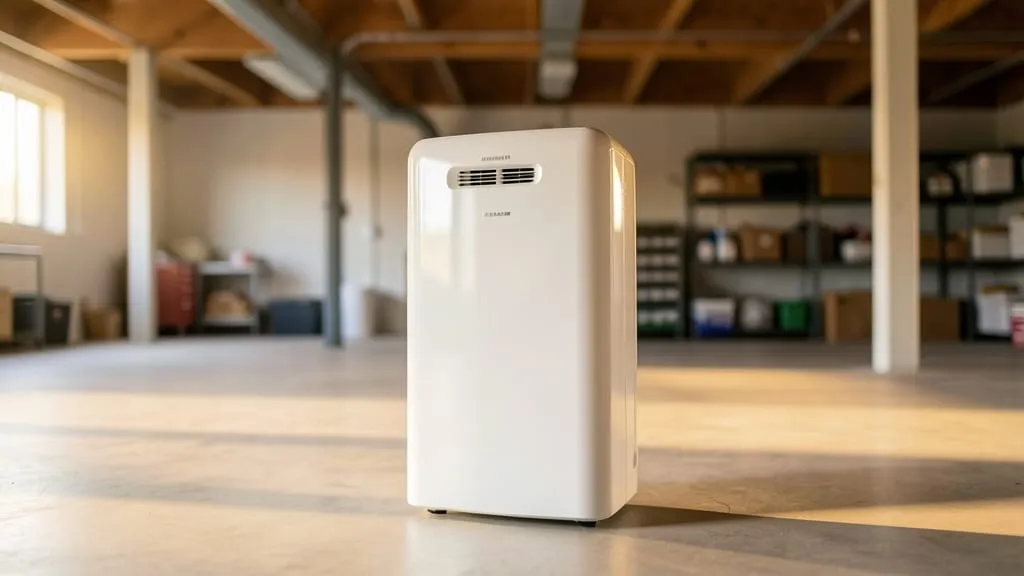
Install dehumidifiers in high-risk areas like crawl spaces or attics. Ensure proper grading around your home’s foundation to direct water away from the structure.
Hidden Structural Damage
Mold doesn’t just stain surfaces—it degrades wood, drywall, and insulation over time. In Mission Valley’s older homes, especially in neighborhoods like Allied Gardens or Alta Vista, prolonged moisture can weaken structural supports.
DIYers often overlook the need to replace damaged materials. Professionals assess structural integrity and use antimicrobial treatments to prevent future growth on salvageable surfaces.
HVAC Systems: A Common Overlooked Hotspot
Mold in HVAC ducts spreads spores throughout the home every time the system runs. In Mission Valley’s mild climate, HVAC systems often run year-round, exacerbating the problem.
Cleaning ducts requires specialized equipment like brushes and high-powered vacuums. Without proper HVAC mold remediation, you risk recontaminating the entire home, even after treating visible mold.
Insurance and Liability Risks
Many homeowners’ insurance policies in California exclude mold damage if it’s due to neglect or improper DIY remediation. Without documentation from a licensed professional, you may void your coverage.
If you sell your home in Mission Valley or nearby areas like Carmel Mountain Ranch or Del Cerro, undisclosed mold issues can lead to costly legal disputes. Professional remediation includes paperwork for disclosure and peace of mind.
When DIY Might Work (And When It Won’t)
DIY mold removal can be safe for small, isolated patches (less than 10 square feet) on non-porous surfaces like tile or glass. Use a bleach solution (1 cup bleach to 1 gallon water) and ensure the area is well-ventilated.
Avoid DIY for porous materials (drywall, carpet, insulation), large infestations, or if you suspect toxic mold. In Mission Valley’s humid climate, even small patches often indicate a larger, hidden problem.
When to Call a Professional
- Mold covers more than 10 square feet
- Mold returns after cleaning
- You smell musty odors but can’t find the source
- There’s been water damage (e.g., flooding, leaks)
- Occupants experience unexplained health symptoms
- Mold is in HVAC systems, crawl spaces, or attics
How to Safely Contain Mold Before Professional Help Arrives
If you discover mold but can’t get a professional out immediately, take these steps to limit spread.
- 1Isolate the Area
Seal off the affected space with plastic sheeting and tape. Use a fan to vent air outdoors if possible, but avoid spreading spores to other areas.
- 2Turn Off HVAC Systems
Prevent spores from circulating through your home’s heating or cooling system. Close vents and doors to the contaminated area.
- 3Wear Protective Gear
Use an N95 respirator, gloves, and goggles. Avoid skin contact with moldy materials, as some species can cause irritation or allergic reactions.
- 4Avoid Disturbing the Mold
Don’t scrub or dry-brush moldy surfaces, as this releases spores. If you must clean a small area, use a damp cloth with detergent and dispose of it immediately.
- 5Dry the Area
Use dehumidifiers or fans to reduce moisture levels below 50%. Mold cannot grow without moisture, so drying the space is critical.
Frequently Asked Questions
Can I use bleach to kill mold in my Mission Valley home?
Bleach is effective for non-porous surfaces like tile or glass, but it doesn’t penetrate porous materials like drywall or wood. For these, bleach only bleaches the surface while mold roots remain. Professionals use antimicrobial treatments designed for deep penetration.
How do I know if my mold problem is toxic?
Toxic mold, like Stachybotrys (black mold), requires lab testing to confirm. Signs include a musty odor, dark greenish-black patches, and health symptoms like respiratory issues or headaches. In Mission Valley, professional mold testing is the only reliable way to identify toxic species.
Will DIY mold removal affect my home’s resale value?
Yes. Undisclosed or improperly remediated mold can lead to failed inspections, lower offers, or legal issues. Buyers in areas like Hillcrest or Old Town often request mold inspections. Professional remediation with documentation protects your investment.
What’s the most common cause of mold in Mission Valley homes?
High humidity and poor ventilation are the top culprits, especially in older homes or those near the coast. Leaky pipes, roof leaks, and condensation in crawl spaces or attics also contribute. Mission Valley’s climate means moisture control is year-round.
How long does professional mold remediation take?
Timelines vary based on the infestation’s size and location. Small, contained areas may take 1-2 days, while large or hidden mold (e.g., in HVAC systems or crawl spaces) can take a week or more. Drying time and post-remediation testing add to the duration.
Do I need to leave my home during mold remediation?
For small, contained projects, you may only need to avoid the work area. For large infestations or toxic mold, professionals may recommend temporary relocation, especially for vulnerable individuals (e.g., children, elderly, or those with respiratory conditions).